


How Often Does a Timing Belt Need to Be Replaced?
Mark Kennedy • December 29, 2021
Wondering how often does a timing belt need to be replaced? It depends on the make and model of your car. It also depends on how much you drive the vehicle. The best guide would be the car handbook to see what the manufacturer mileage recommendations are.
It is safer to replace the timing belt even earlier than the manufacturer recommends. In general, however, timing belts needs to be replaced from 60,000 miles up to 150,000 miles.
What Makes Timing Belt Intervals Change?
Not every timing belt ages the same way. How long a belt lasts depends heavily on real-world factors, not just the mileage listed in the owner’s manual.
- Heat and climate play a major role. Marietta’s warm weather accelerates rubber wear, especially during long summers. Engines that run hotter or sit in traffic frequently experience more strain on the belt and tensioner system.
- Driving habits also matter. Stop-and-go traffic on roads like Barrett Parkway, Roswell Road, or I-75 puts more load on timing components compared to steady highway driving. Short trips, where the engine never reaches full operating temperature, can trap moisture internally and lead to faster belt aging.
- Engine design and vehicle age are additional factors. Older vehicles naturally experience more gasket seepage and heat cycles, both of which weaken timing belt material. Some engines, especially interference engines, place extra stress on the belt, making timely replacement even more important.
When You Should Replace a Timing Belt Earlier Than Recommended
Even if your vehicle hasn’t reached the official mileage or time interval, certain situations call for early replacement.
Unknown service history:
If you purchased a used vehicle and can’t confirm when the timing belt was last replaced, assume it’s due. Many drivers choose this preventative approach to avoid unexpected engine failure.
Oil contamination:
Oil leaks near the timing cover weaken the rubber quickly. A leaking camshaft seal, crank seal, or valve cover gasket can shorten the lifespan of the belt significantly.
Unusual noises during startup:
While timing belts don’t always warn before failing, clicking, chirping, or slapping sounds from the front of the engine may point to tension issues.
Aging tensioners or pulleys:
Supporting components wear down with time. If a tensioner or idler pulley fails, it can cause the belt to jump or break even if the belt is still within its recommended interval.
Timing Belt Intervals by Vehicle Category
While exact intervals vary by engine, our decades of experience with European and Asian vehicles in Marietta provide reliable expectations.
- Volvo models often require timing belt replacement between 75,000 and 120,000 miles, depending on the engine. Because many of these engines are interference-type, staying on schedule is critical to avoid internal damage.
- BMW and Mercedes-Benz primarily use timing chains today, but certain older or specialty engines still use belts. For those systems, following factory guidance precisely is essential due to the high performance and tight engineering tolerances of these vehicles.
- Toyota and Honda vehicles are known for longevity, but their belt-driven engines still require timely replacement, often around the 90,000–100,000-mile mark.
- Domestic vehicles vary widely by model and engine family. Some older V6 and V8 engines have shorter recommended intervals, making it important to check manufacturer specifications.
Why Delaying Timing Belt Replacement Is a Major Risk
A timing belt failure can happen instantly and without warning, leading to significant engine damage. In an interference engine, the pistons and valves can collide if the belt breaks, resulting in bent valves, damaged pistons, or a non-running engine that requires extensive repairs.
Even in non-interference engines, a failed belt will leave the vehicle stranded and require immediate towing. Replacing the belt on time avoids these risks and protects the long-term health of your engine.
Why Georgia Drivers May Need Earlier Replacement
Drivers in Georgia face conditions that can shorten timing belt life. Long periods of high heat accelerate rubber deterioration, while humidity contributes to aging seals that may leak oil into the belt area. Frequent short trips and heavy Marietta traffic create additional stress on belt-driven components. Many older vehicles in the region also lack detailed service history, making proactive replacement a safer choice.
Common Timing Belt Questions Drivers Often Ask
Does a timing belt age even if my mileage is low?
Yes. Timing belts naturally degrade over time from heat cycles, tension, and exposure to engine vapors. Even low-mileage vehicles typically require replacement every 6–10 years.
Can Georgia heat shorten the lifespan of a timing belt?
Absolutely. High temperatures accelerate rubber deterioration, especially in older vehicles or engines that run hotter. This is one reason Marietta drivers often benefit from earlier replacement.
How can I tell if a previous owner replaced the timing belt?
The only reliable way is documented service records. If paperwork isn’t available, most technicians recommend replacing the belt to avoid unexpected failure.
What happens if a timing belt fails while driving?
In many engines, especially interference types, a failed belt can cause valve and piston damage. Even in non-interference engines, the vehicle will stall immediately and require towing.
Do timing belts last longer on certain makes or models?
Yes. Different engine designs place different levels of stress on the belt. Some brands allow longer intervals, while others, especially certain European models, require more frequent replacement.
Professional Insight: How to Know If You’re Due
A professional inspection is the most accurate way to determine whether your timing belt needs replacement. At Professional Automotive Repair in Marietta, GA, our ASE-certified technicians review your maintenance records, check for signs of wear or contamination, inspect tensioners and pulleys, and verify the manufacturer’s recommended service interval for your specific engine.
Understanding how often does a timing belt needs to be replaced can be confusing, especially if your vehicle’s history isn’t clear. By evaluating the overall condition of the timing system, not just mileage, you’ll get a reliable, honest assessment of where your vehicle stands.
If you’d like guidance or have questions about your own timing belt interval, feel free to contact us for expert advice based on your vehicle and driving habits.
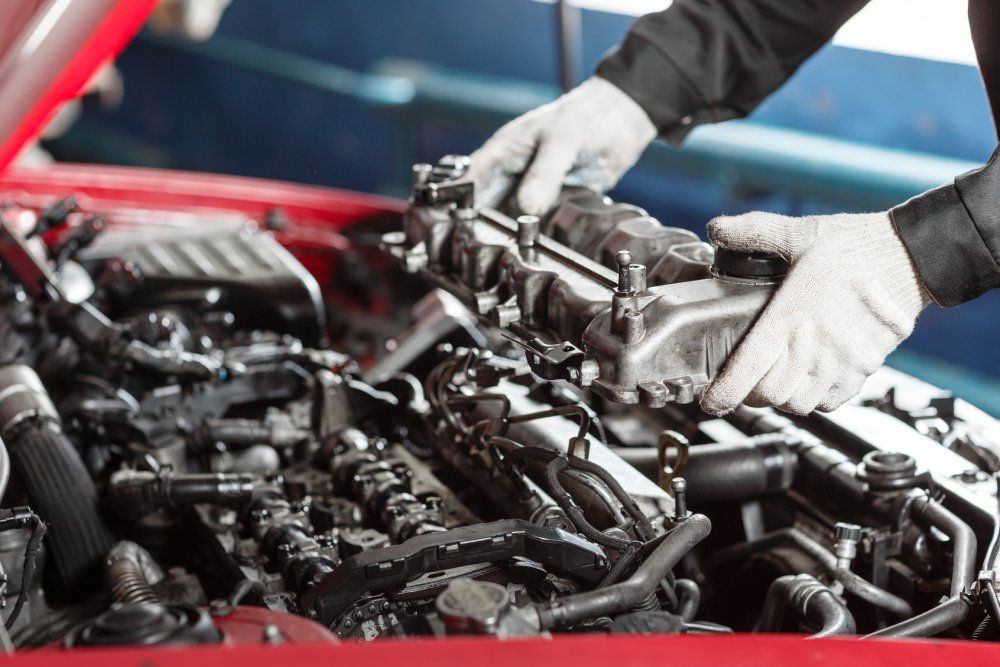
What is engine misfiring? Simply put, you're putting strain on your car. Read on to discover what engine misfiring is and what it does to your car.

Learn how to add coolant to your car safely and easily with this step-by-step guide. Avoid engine overheating and keep your car running smoothly
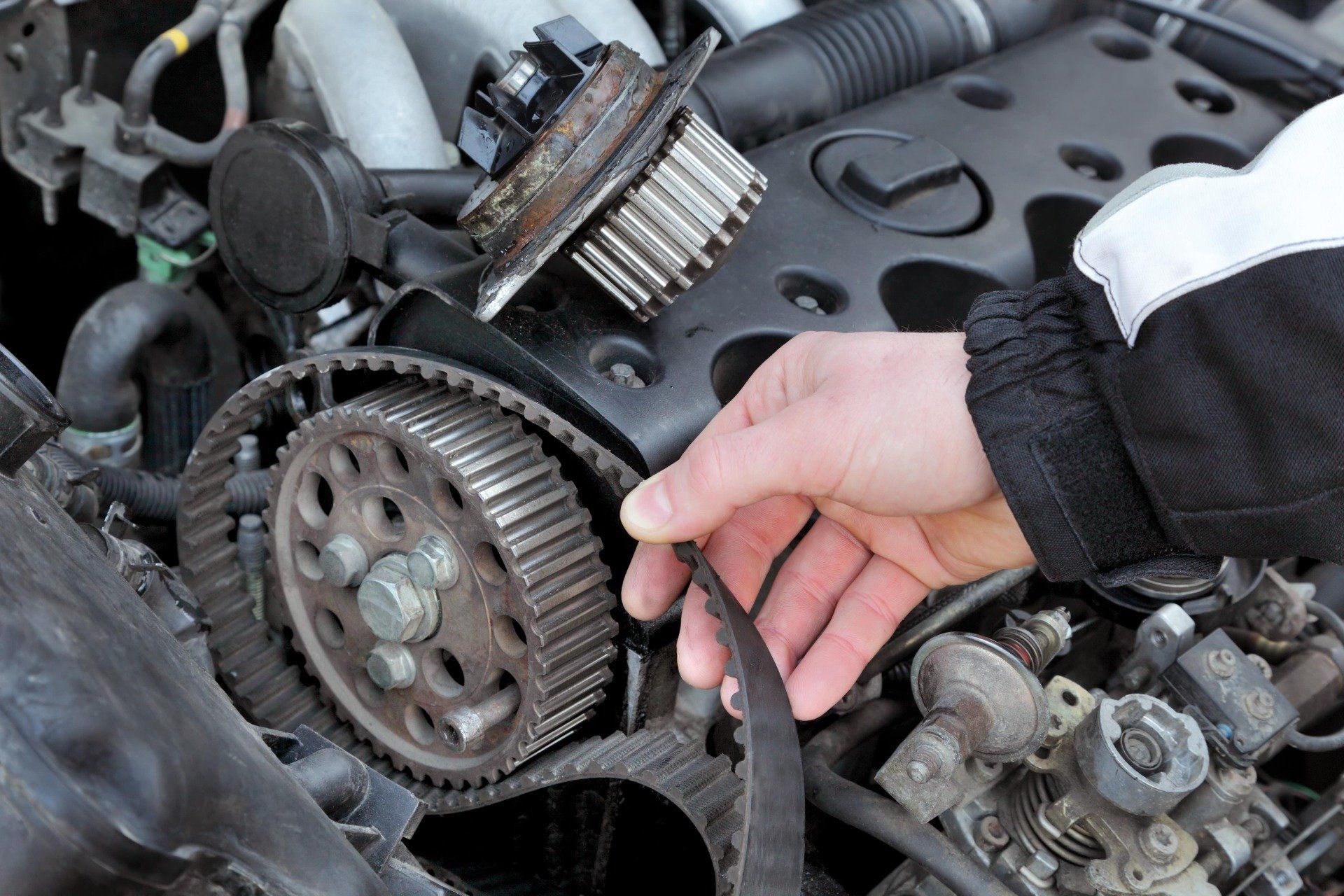
What is a timing belt, and when should it be replaced? Learn the signs, costs, and timing system risks from Marietta’s trusted automotive experts.